In the spring of 2021 I presented my proposal for a digital and print campaign as part of a job interview at the Metropolitan Police.
The brief
As part of the interview, I responded to a brief focused on encouraging community members to share information that could help prevent violent crime and protect young lives across London. The campaign needed to address public concerns such as mistrust of the police, fear of consequences, and uncertainty through clear, accessible designs for both print and social media.
I started noting down information from the brief and the thoughts that generated. How do we encourage people who don’t trust the police, share information with the police?

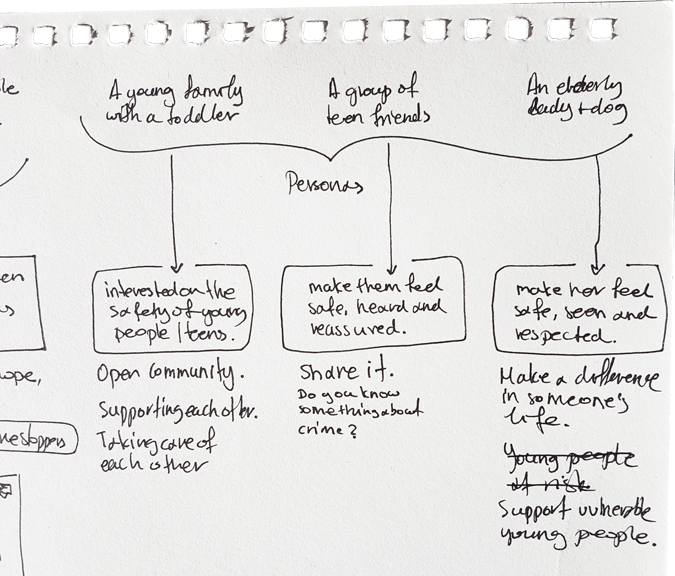
Personas
I created three groups of personas representing different target audiences. These audiences are all concerned about crime rates but they experience it in different ways.
A young family
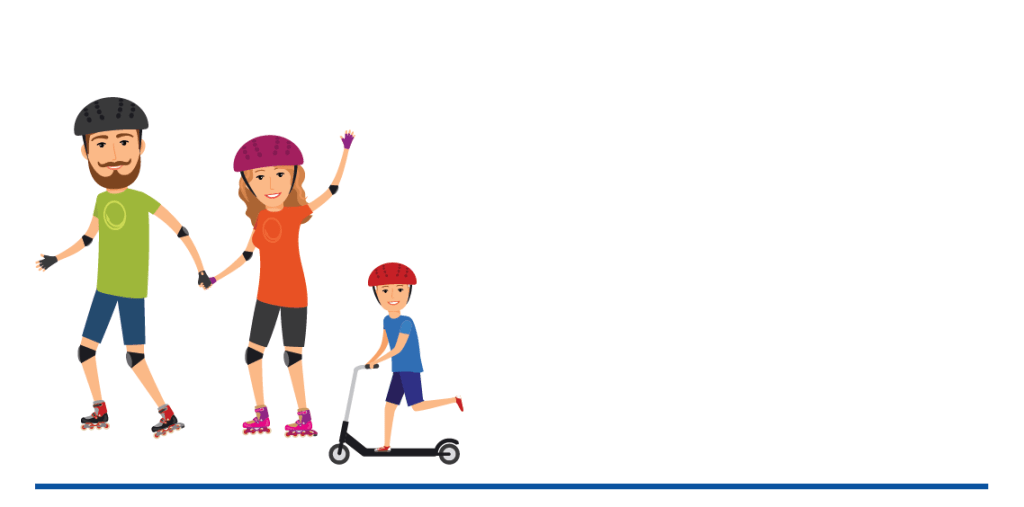
They are concerned about crime but they feel like the information they might have is not enough to report on someone. They are also afraid of repercussions for their family.
How to approach: Call on the safety of young people.
What to say: Open community. Supporting each other. Anonymous information. What matters to you?
Teen friends
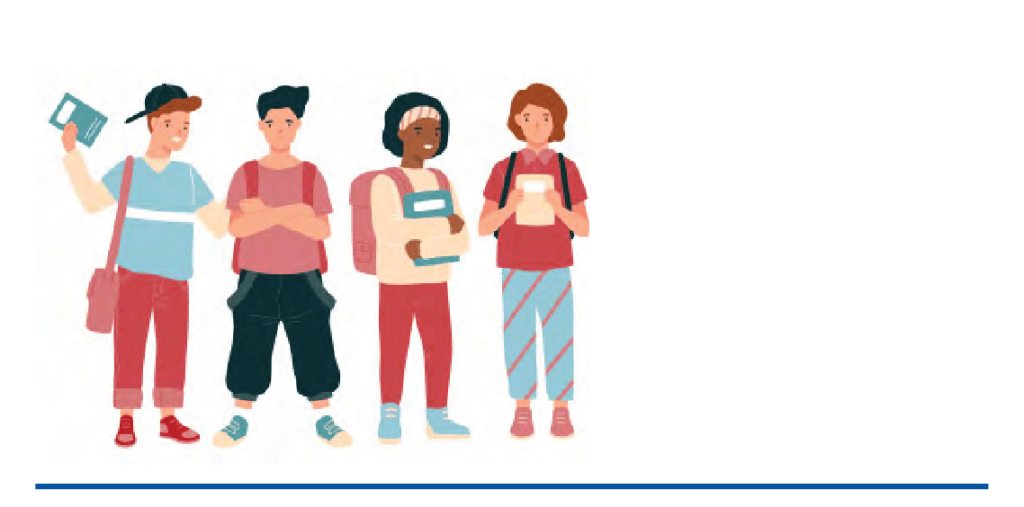
They spend time at the park listening to music. They do not always feel safe but they are reluctant to talk because they don’t know how they will be treated. They are afraid they might be affecting negatively someone’s future.
How to approach: Make them feel safe, heard and reassured.
What to say: We won’t tell. Confidentiality. Do you have information about crime? Share it.
An elderly lady

She lives alone and walks her dog everyday. She won’t talk to the police because she doesn’t feel like it will make a difference. She is afraid of possible retaliation against her or her dog.
How to approach: Make her feel safe, seen and respected.
What to say: Make a difference in someone’s life. Support vulnerable young people. They won’t know it was you.
Concepting
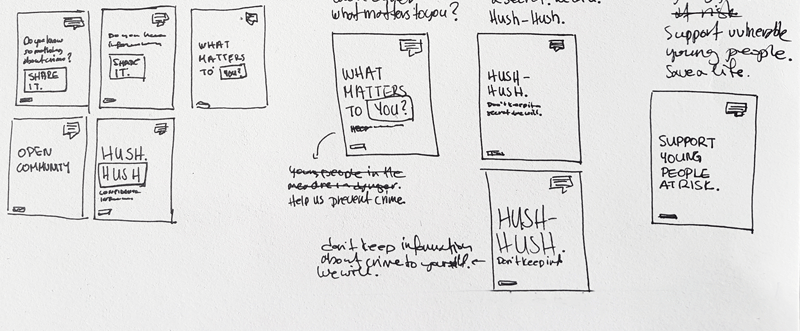
Once I had defined the audience, I began brainstorming ideas for the message and how best to communicate it. Sketching and mind mapping are ideation techniques I find especially inspiring. Doodling helps me focus and uncover aspects of a problem or solution I might have missed.

High fidelity drafts
With a range of headings explored, I then experimented in Photoshop and Illustrator using different backgrounds, both with the graphic images provided and visuals sourced from Unsplash.

Core message
I decided to focus on the fact that the information we are asking from the public can be anonymous as people are more keen to provide information when they feel safe. I proceeded with the ‘Hush-Hush’ message as it gives a sense of secrecy and confidentiality.
The subheading informs the public that any information they share will be confidential. Challenging stereotypes around young people in hoodies, I chose an image with a hooded person.


A meaningful challenge
While I wasn’t selected, the project remains a highlight of my portfolio. It challenged me to think deeply about how design can build trust, shift perceptions, and support public safety. It also reaffirmed my belief that thoughtful visual communication can make a real difference in the world.
 Georgia Philippou | Graphic Designer